

A Hundred Launches and Counting: Has SpaceX Hit Peak Starlink?
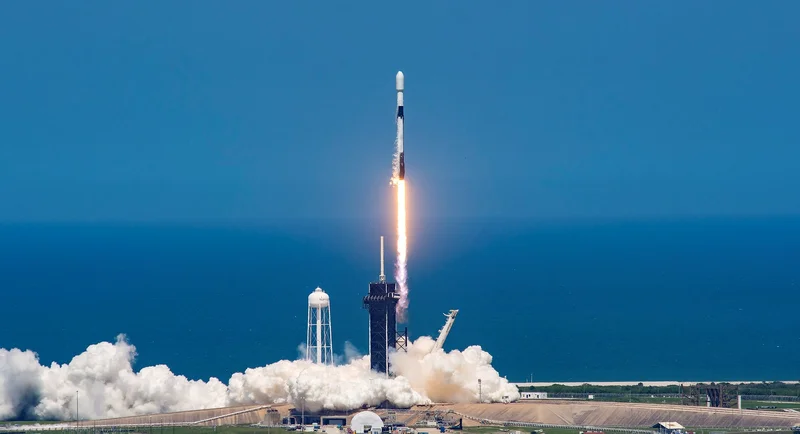
SpaceX continues its relentless launch cadence, with recent missions from both Vandenberg and Cape Canaveral adding to the already staggering number of Starlink satellites in orbit. The launch from Vandenberg Space Force Base on Sunday, November 23rd, deployed another 28 Starlink satellites via a brand new Falcon 9 booster (B1100). Meanwhile, back on the East Coast, another Falcon 9 lofted 29 Starlink satellites from Cape Canaveral Space Force Station on November 22nd.
The question is no longer can SpaceX launch this many rockets, but should they? Are we approaching a point of diminishing returns, or even negative returns, on this aggressive Starlink deployment strategy?
The Numbers Game: Saturation Point Approaching?
SpaceX now boasts 8 million Starlink subscribers. That’s the headline. But let's look a bit closer. What's the growth rate underneath that impressive number? And what about the cost per subscriber, factoring in not just the user terminal but the exponentially increasing cost of launch and satellite maintenance?
We know this latest Vandenberg launch was the 110th Starlink delivery mission this year. That's an average of over nine launches per month dedicated solely to Starlink. Each launch carries, let's say, an average of 28 satellites. That's approximately 3,080 new satellites added to the constellation this year alone. The math is straightforward, but the implications are complex.
The company is launching more and more satellites, but is subscriber growth keeping pace? Are they cannibalizing their own bandwidth, leading to slower speeds and dissatisfied customers? I've seen anecdotal reports online of speed degradation in certain areas, but hard data on this is, unsurprisingly, difficult to come by. (SpaceX isn't exactly transparent about its bandwidth usage per region.)
Falcon 9: The Workhorse and its Wear
The Falcon 9's reliability is undeniable. The B1100 booster's successful landing on the drone ship "Of Course I Still Love You" is just another data point in its impressive track record. But even a reliable workhorse has its limits. These boosters are designed for multiple flights, but each launch adds wear and tear. What's the long-term maintenance cost associated with this high flight rate? What's the refurbishment turnaround time, and how does that impact overall launch capacity? These are the questions that CFOs should be asking, but are they?
The Vandenberg launch was the 63rd from that base this year. That’s a lot of rocket exhaust over California. The base claims each launch advances economic growth, bolsters national security, and achieves national space objectives. That’s quite a claim. While I agree that SpaceX is a key player in the space economy, I’d like to see a more granular breakdown of how each individual Starlink launch directly contributes to those objectives. What specific economic growth is directly attributable to these launches, and how is that growth measured? It's easy to say "economic growth," but quantifying it is another matter entirely.
And this is the part that I find genuinely puzzling: Why are they pushing so hard when the ROI isn't clear? Is there an unknown military application driving this deployment? Or are they simply trying to build an insurmountable lead in the satellite internet market, regardless of short-term profitability?
The Bottom Line: A Race to Nowhere?
SpaceX's Starlink is undoubtedly a technological marvel. But the relentless launch schedule raises serious questions about long-term sustainability and profitability. Are they building a revolutionary global internet infrastructure, or are they simply launching themselves into a financial black hole? The data is still incomplete, but the trend lines are starting to paint a concerning picture.